
Non-Profit Artist - the case for art as philanthropy
Prelude
I recently became aware of a cancer benefit for a two-year-old little girl. I don’t understand why that happens. I know life doesn’t stop and explain itself first, but some things just hit you right in the chest and stay there.
When I heard about the benefit, I thought the same thing a lot of us think when something awful happens to someone else: What can I do? I’m not a doctor. I’m not a wealthy donor. I can’t fix what’s happening. But I am an artist. So, I donated a painting.
The painting I chose is a floral piece called “Back to Life.”
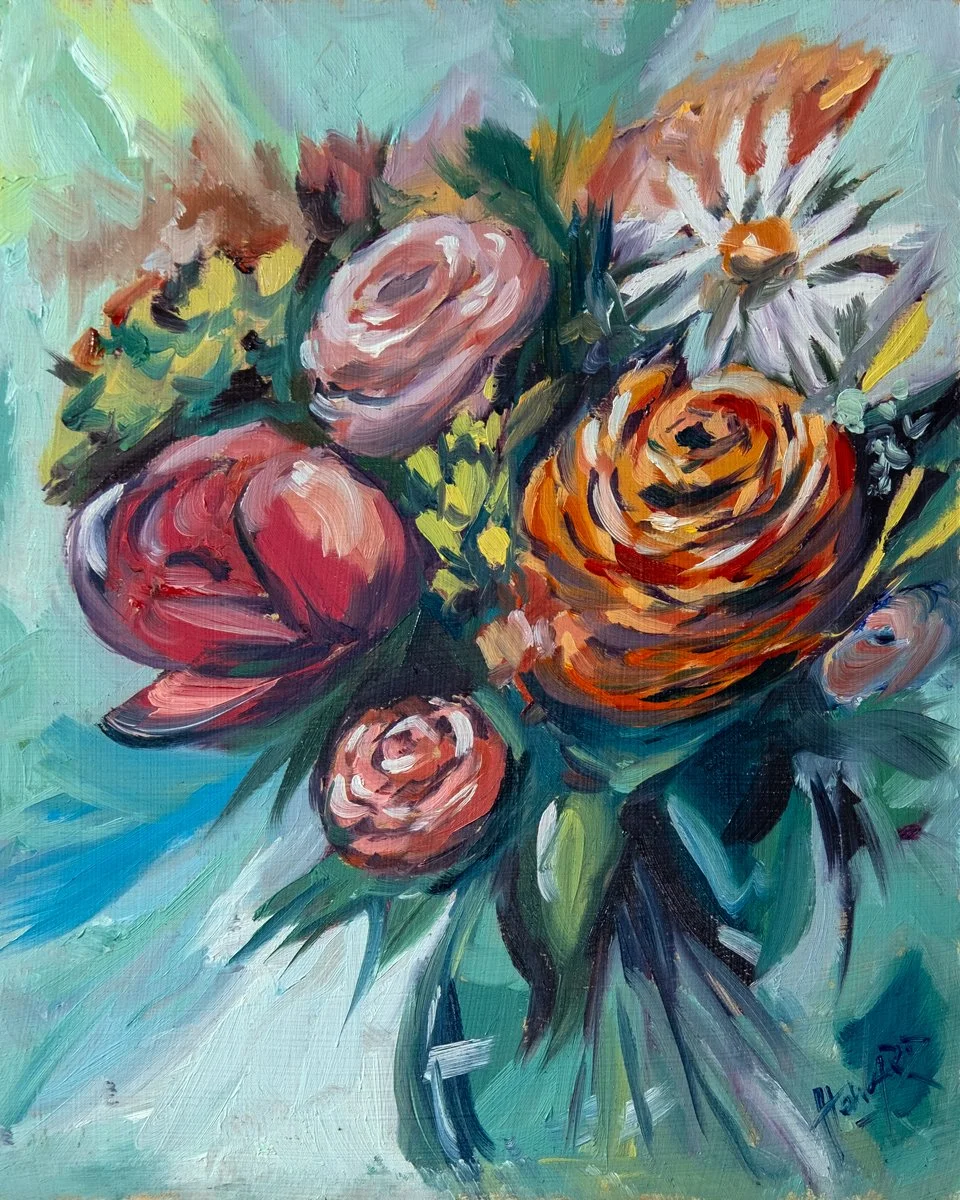
Back to Life is an 8×10 oil painting that captures the radiant energy of renewal. Painted after a brief creative hiatus, this floral bouquet represents more than just flowers — it’s a symbol of coming home to your passion, rediscovering joy, and letting color bloom again. With vibrant brushwork and lush tones of coral, blush, gold, and green, this piece radiates warmth and emotional depth. Perfect for art lovers who connect deeply with stories of rebirth, healing, and beauty in full bloom.
Medium: Oil on panel
Size: 8 x 10 inches
Signed on the front
Framed and ready to display
Includes certificate of authenticity
Want a print? Check here: Back to life.
On a practical level, it made sense. Floral paintings are a universally appreciated subject. A lot of people connect with flowers, and I figured that gave it a decent chance of bringing in some money for the benefit auction. But the real reason I chose that piece goes deeper than that.
After my dad died, I didn’t paint for a long time. I just didn’t have it in me and it felt like that creative spark had gone forever. Then one day I decided to paint again. I just wanted to take a baby-step, just to see if there was a twinkle of the old me. No pressure. No grand delusions of making a masterpiece. Just pick up the brush and paint something.
I picked flowers because they’re pretty safe and forgiving. They don’t have to look exactly like a flower, they’re in the ballpark, you’re probably alright. That was about all I could handle at the time.
But that painting ended up meaning more to me than I expected. I actually loved the end result (and that’s not normal. Just ask any artist.) It reminded me that I still had something in me. I still had life in me. The fight to reclaim who I was wasn’t over.
And, in some way, when I handed over that painting, I hoped the same good luck and positive vibes could be passed to this little girl in her fight with cancer.
And that’s when I remembered the phrase
“non-profit artist.”
What Is a Non-Profit Artist?
I first started thinking about this after reading about Michael Sheen describing himself as a non-profit actor.
I liked that phrase. There’s something solid and empowering about it.
To me, being a non-profit artist doesn’t mean you literally run a nonprofit or give away every piece you make. It means you use your talent for good whenever you can. It means your art doesn’t only exist to decorate a wall. Sometimes it can help someone who’s going through hell. That feels like a pretty decent use of art.
Using Your Art for Good
I love the idea of using your talents for good. Not in a self-congratulatory way. Not in a “look how generous I am” sort of way. I’m not interested in that. But I do think if your work can help someone, then maybe it should. As artists, we’re drawn to make things. Why not make life better while we’re at it… and you don’t have to use your art to do big things, like save the pandas or reverse climate change. You can start (and I’ve found this is the best route) with your own street corner. You don’t have to travel far to find someone in need.
Artists Don’t Always Create for Money
The truth is, I don’t paint for money. Most artists don’t, not really.
We paint because we want to paint. We create because something in us needs to create. Sometimes it’s joy. Sometimes it’s curiosity. Sometimes it’s the only thing keeping us sane. I have a full-time job. My art is a side gig. If I sell a painting, great. If I don’t, that’s fine too. My life doesn’t depend on art sales, and I know that gives me a level of freedom not every artist has. For me, painting helps keep me grounded. That’s its first job, whatever comes after that is a bonus.
I’m not saying artists should give everything away and live the life of a pauper. That would be stupid and we’re already battling the universal notion of the “starving artist” even when times are good.
Helping Others Without Losing Yourself
When you fly on a plane, they usually do a life safety demonstration. During this, the flight attendant will tell you to put on your own mask first before helping others with theirs. The reason is simple; you can’t help anyone if you’re passed out.
Same thing here. If you want to use your art for good, you still need to make sure you can continue being an artist. That means having enough money to live, enough money for supplies, and enough stability to keep creating. Because if you can’t afford to make art anymore, then you can’t help anyone with it.
So no, being a non-profit artist doesn’t mean draining yourself dry for the sake of looking noble. It means staying grounded enough to keep going, and giving when you can. That’s the part that matters; give what you can, if you can, when you can.
Why Donating Artwork Changes Your Perspective
When you donate art, something shifts. Your work stops being only a product, or a personal outlet, or something you hope somebody buys. It helps a local family in need. It provides mental health services for those in your community who haven’t yet found the power of creativity. It gives a toy to a kid at Christmas. That’s real… and the added bonus is that you get to decide what you give and who you help… no need for policies, procedures and other corporate garbage that stops entities doing the right thing.
And I think that changes your perspective on being an artist. You’re not just making work. You’re not just hoping someone buys your work. You’re becoming a force for good, even in a small way.
That might sound a bit grand, but I mean it in a very practical sense.
Advice for Artists Who Want to Give Back
If you’re an artist and this idea connects with you, I honestly think the best place to start is simple: Keep your eyes open for opportunities.
That’s it.
Watch for the moments when your work could help someone. A fundraiser. A benefit. A local auction. A community cause.
You don’t need a brand strategy around it. You don’t need a polished mission statement. You just need to notice the opportunity and be willing to say, “Here. Take this painting. Use it for your auction, tell everyone it’s a rare Picasso.”
